Had Bouhssousen Commune, Khénifra Province, Presents Results of Participatory Climate Change Adaptation Process
A multi-stakeholder meeting brought together over 63 participants to present six months of participatory work under the ASTA project to strengthen climate adaptation in Khénifra.
Multi-Stakeholder Meeting to Present Six Months of Participatory Work
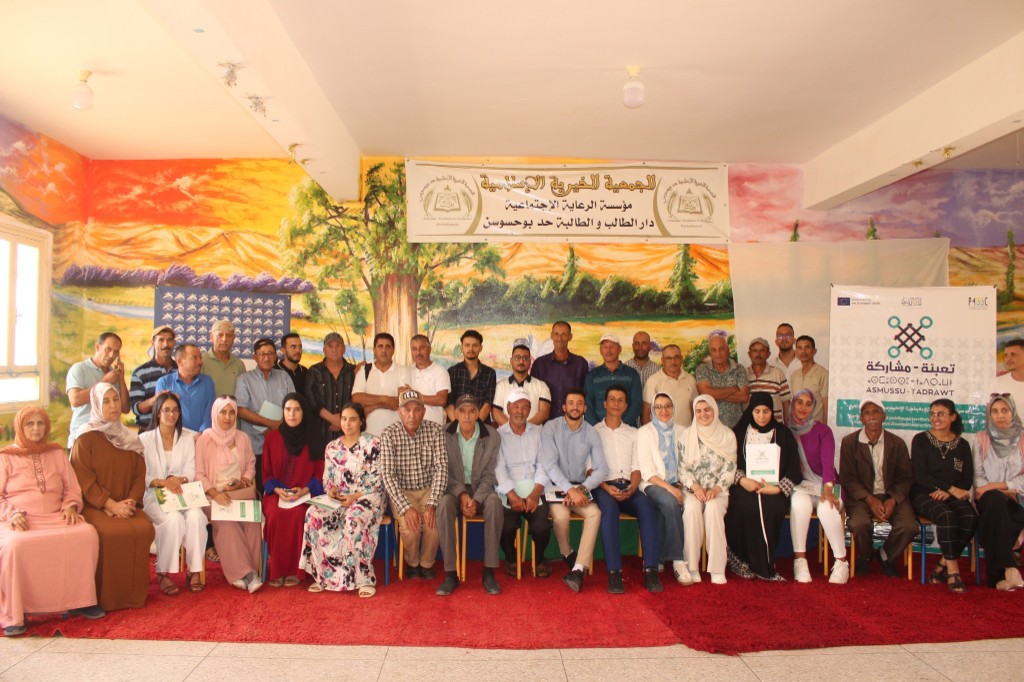
The commune of Had Bouhssousen held a multi-stakeholder meeting on 18 September 2025 to present six months of participatory work under the ASTA project aimed at strengthening climate adaptation in Khénifra.
More than 63 participants (elected officials, advisory bodies, associations, etc.) contributed to a participatory diagnostic conducted with AIDECA, based on an innovative tool deployed for the first time in five communes in the Béni Mellal-Khénifra region.
Quantitative Results and Diagnostic Process
Quantitative results: 139 questionnaires, 15 technical forms, and 10 interviews. Over the past six months, Had Bouhssousen commune has worked in partnership with Association Al Intilaka (AIDECA) to deploy a participatory diagnostic process to assess the effects of climate change on the commune’s various douars.
The process relied on an innovative diagnostic tool developed by the association and its partners, applied for the first time in five communes in the region, to integrate the climate dimension into territorial planning and local public policies.
Exchanges and Concrete Pathways
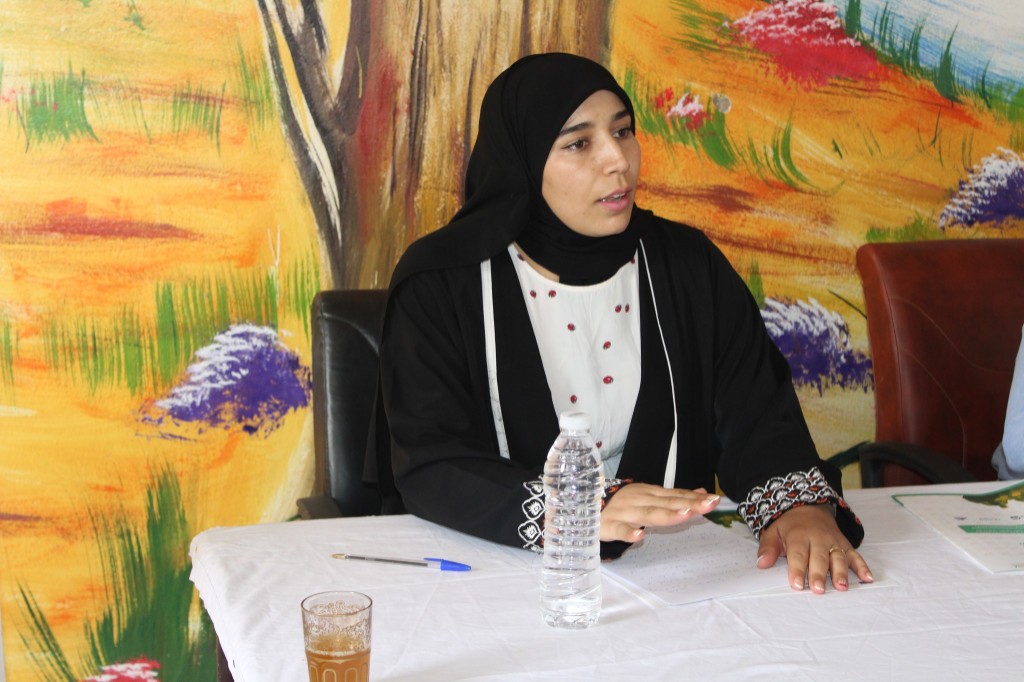
The exchanges focused on forest cover and the role of civil society, and led to concrete pathways: alternative agriculture, rational water management, and sustainable tourism.
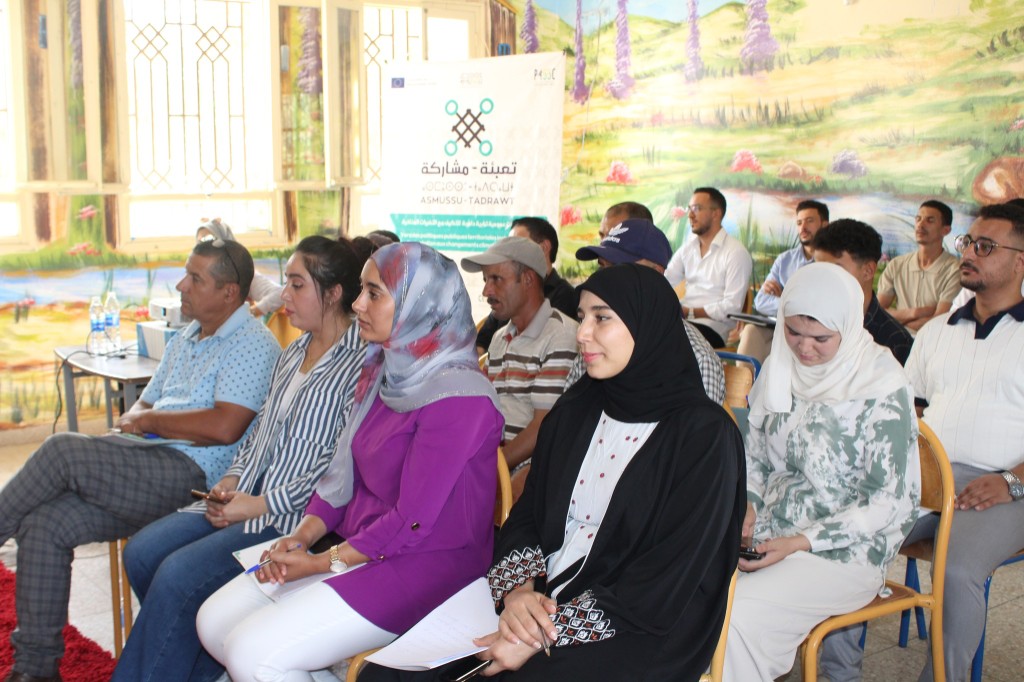
These contributions, alongside the diagnostic results, helped expand the map of ideas and proposals for which the commune and its partners will advocate to formulate concrete initiatives and projects.
About the AMUSSU Project
The project “AMUSSU: Strengthening Civil Society’s Capacity to Act in Morocco for Good Governance, Environment, and Climate” is part of the Strategic Support Programme for Civil Society (PASSC), implemented within the Morocco–European Union partnership. It is led by Migrations & Développement (M&D), in partnership with AESVT and COSPE Maghreb.