Naour Commune, Beni Mellal Province, Presents Results of Participatory Climate Change Adaptation Process
A multi-stakeholder meeting brought together over 72 actors to present the results of six months of participatory work aimed at strengthening Naour commune's capacity to adapt to climate change, within the ASTA project framework.
Multi-Stakeholder Meeting to Present Six Months of Participatory Work
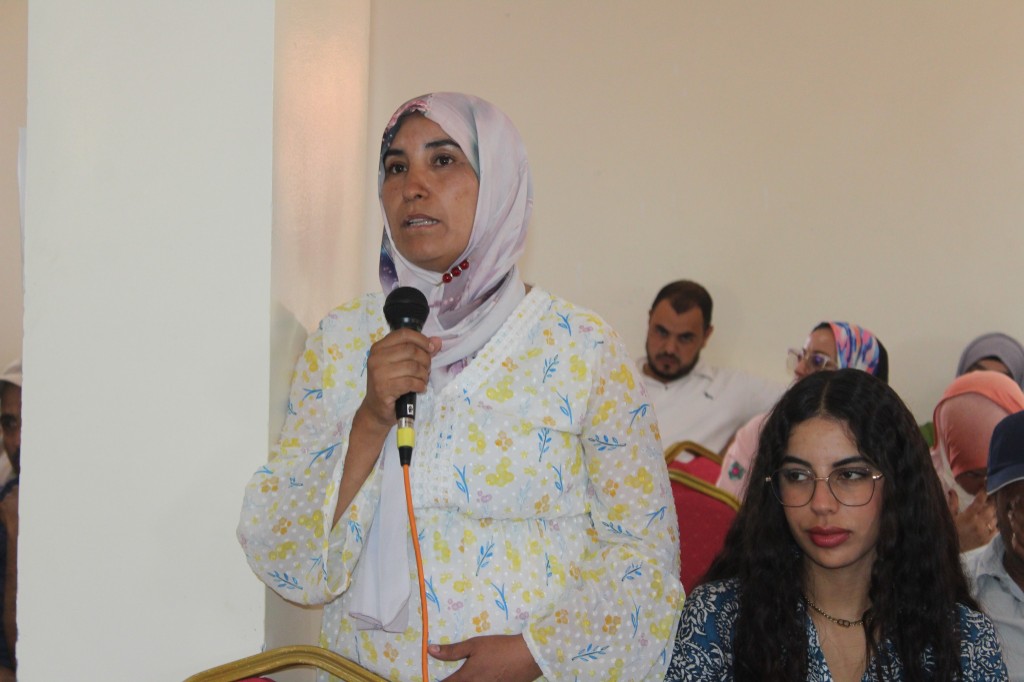
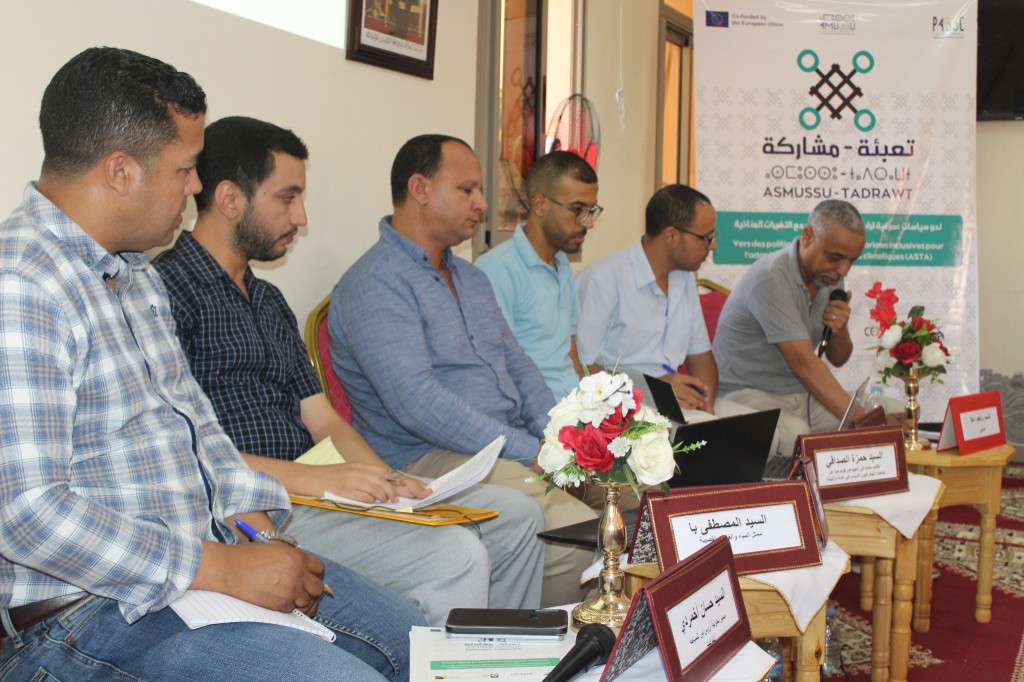
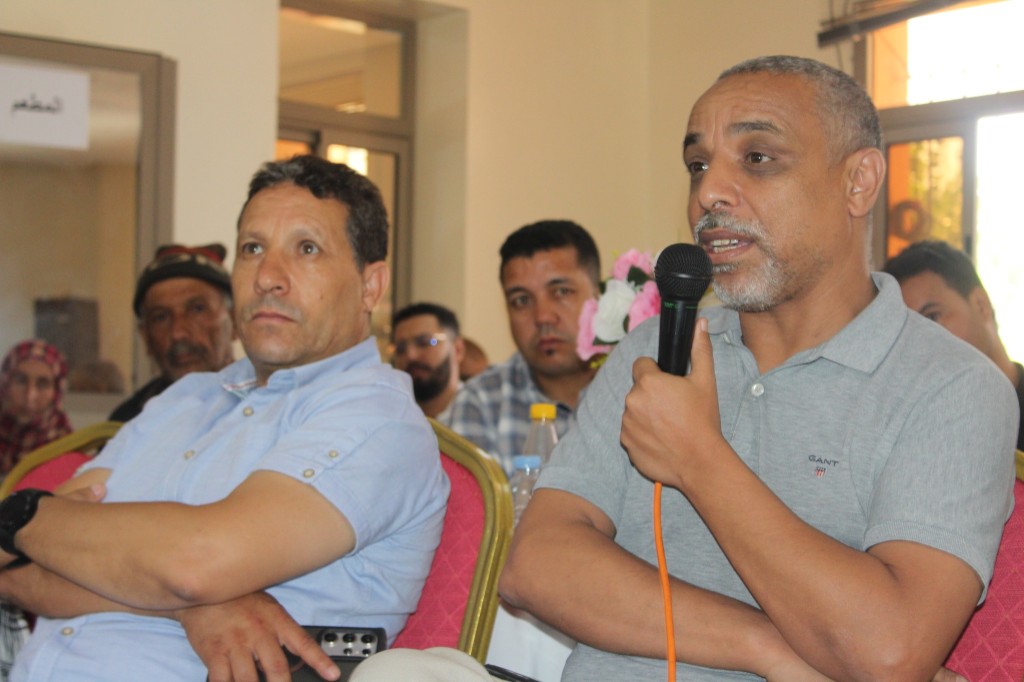
Naour commune hosted, on Thursday, July 17, 2025, a multi-stakeholder meeting dedicated to presenting the results of six months of participatory work aimed at strengthening the commune’s capacity to adapt to climate change.
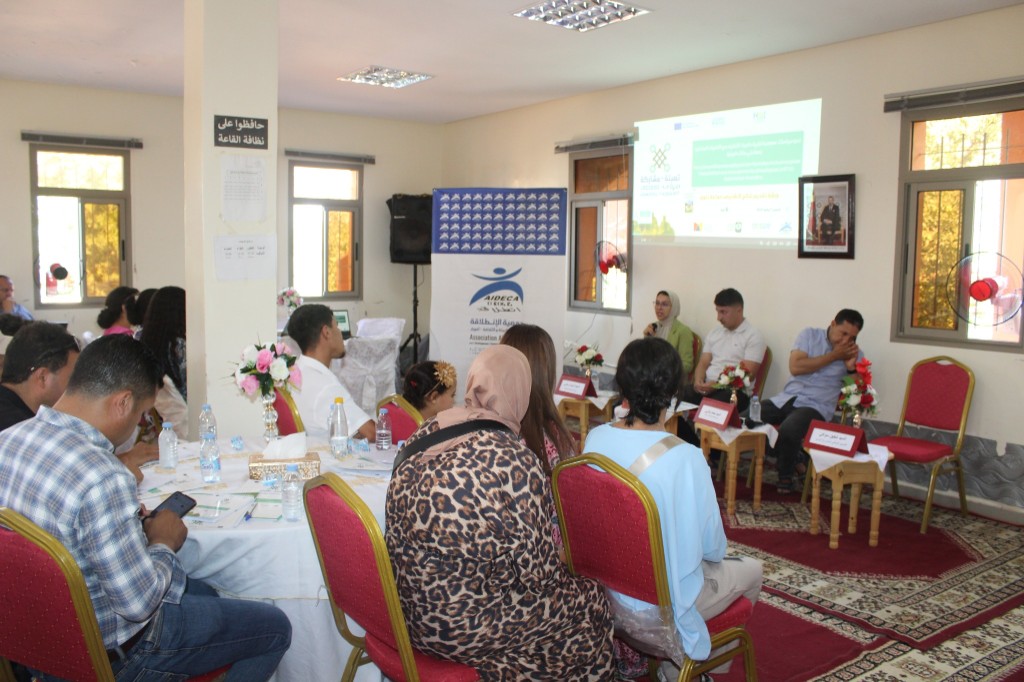
This meeting was held within the framework of the ASTA project – “Mobilization and participation for inclusive territorial policies on climate change adaptation in the Béni Mellal-Khénifra region”, which brought together more than 72 actors representing public administrations, decentralized services, the communal council, the university, civil society associations, cooperatives, and advisory bodies.
An Innovative Participatory Diagnostic Process
Over the past six months, Naour commune has worked in partnership with Association Al Intilaka (AIDECA) to deploy a participatory diagnostic process to assess the effects of climate change on the commune’s various douars, with the contribution of council members, technical staff, the equality and parity and gender approach body, the youth council, and civil society components.
The process relied on an innovative diagnostic tool developed by the association and its partners, applied for the first time in five communes in the region, to integrate the climate dimension into territorial planning and local public policies, and to strengthen population resilience in the face of climate challenges.
The diagnostic mobilized 167 citizens to conduct field surveys, complete 15 technical forms, and conduct 10 direct interviews with actors and population representatives.
Key Presentations to Deepen the Debate
The meeting provided an opportunity to deepen the debate through five key presentations:
-
Impact of climate change on water resources – Hassan Wazni, PhD student in water resources and representative of the Young Geographers Association for Water and Environment, presented a field diagnostic and analysis of possible adaptation options.
-
Sustainable management of forest cover in the face of climate change – The representative of the Forest Development Center in Al Qasiba presented mechanisms for preserving biodiversity and ways to strengthen sustainable management of the forest domain.
-
Alternative agriculture as an adaptation mechanism – The representative of the Beni Mellal Provincial Agriculture Directorate highlighted the role of drought-resistant varieties in strengthening food security and local income.
-
Mountain tourism and territorial development – Mohamed Majdi, representative of the equality and parity body of Naour commune, explained how developing mountain hiking trails and sustainable tourism links ecosystem preservation to job creation.
-
Eco-tourism and rural tourism as an opportunity for local adaptation – Hassan Akhramdi, manager of the “Arous Tour” tourism cooperative in Tiloukit, presented the ecotourism model as a climate-friendly economic lever.
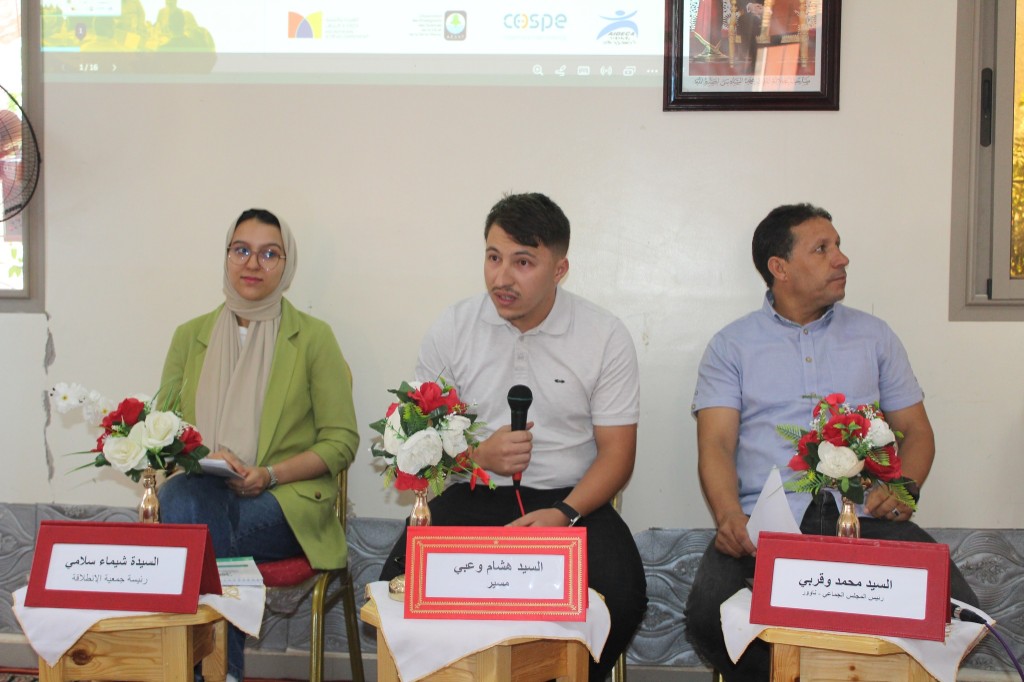
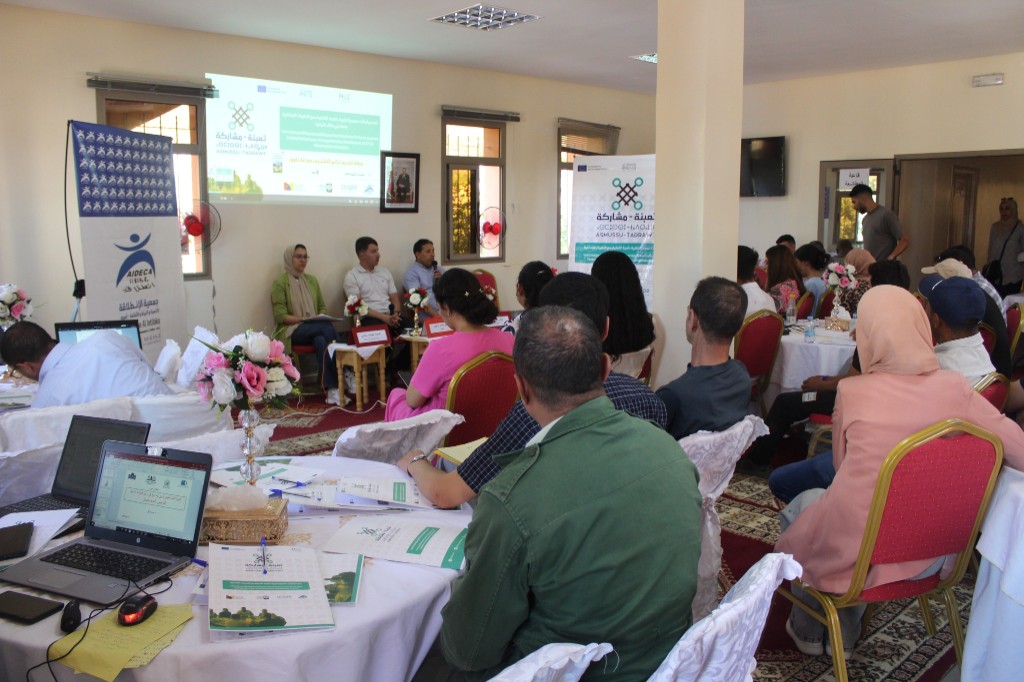
These interventions, alongside the diagnostic results, helped expand the map of ideas and proposals for which the commune and its partners will advocate to formulate concrete initiatives and projects in the areas of alternative agriculture, rationalization of water resource use, clean energy, and sustainable tourism.
A Regional Model for Climate Change Adaptation
This participatory dynamic consolidates a new stage where climate considerations are integrated at the heart of Naour commune’s territorial policies in Beni Mellal province, confirming its status as a model to follow in climate change adaptation at the regional level.
About the AMUSSU Project
The project “AMUSSU: Strengthening Civil Society’s Capacity to Act in Morocco for Good Governance, Environment, and Climate” is part of the Strategic Support Programme for Civil Society (PASSC), implemented within the framework of the Morocco–European Union partnership, and runs from 2023 to 2027. The project is led by Migrations & Développement (M&D), in partnership with the Association of Life and Earth Sciences Teachers (AESVT Maroc) and the NGO COSPE – Cooperation for the Development of Emerging Countries.