AMSSA-AI - Inclusive AI Literacy for Local Governance
AMSSA-AI is a Morocco-led AI literacy and mentorship initiative helping elected women, civil society leaders, and local governance actors use AI safely, responsibly, and inclusively.
Project Overview
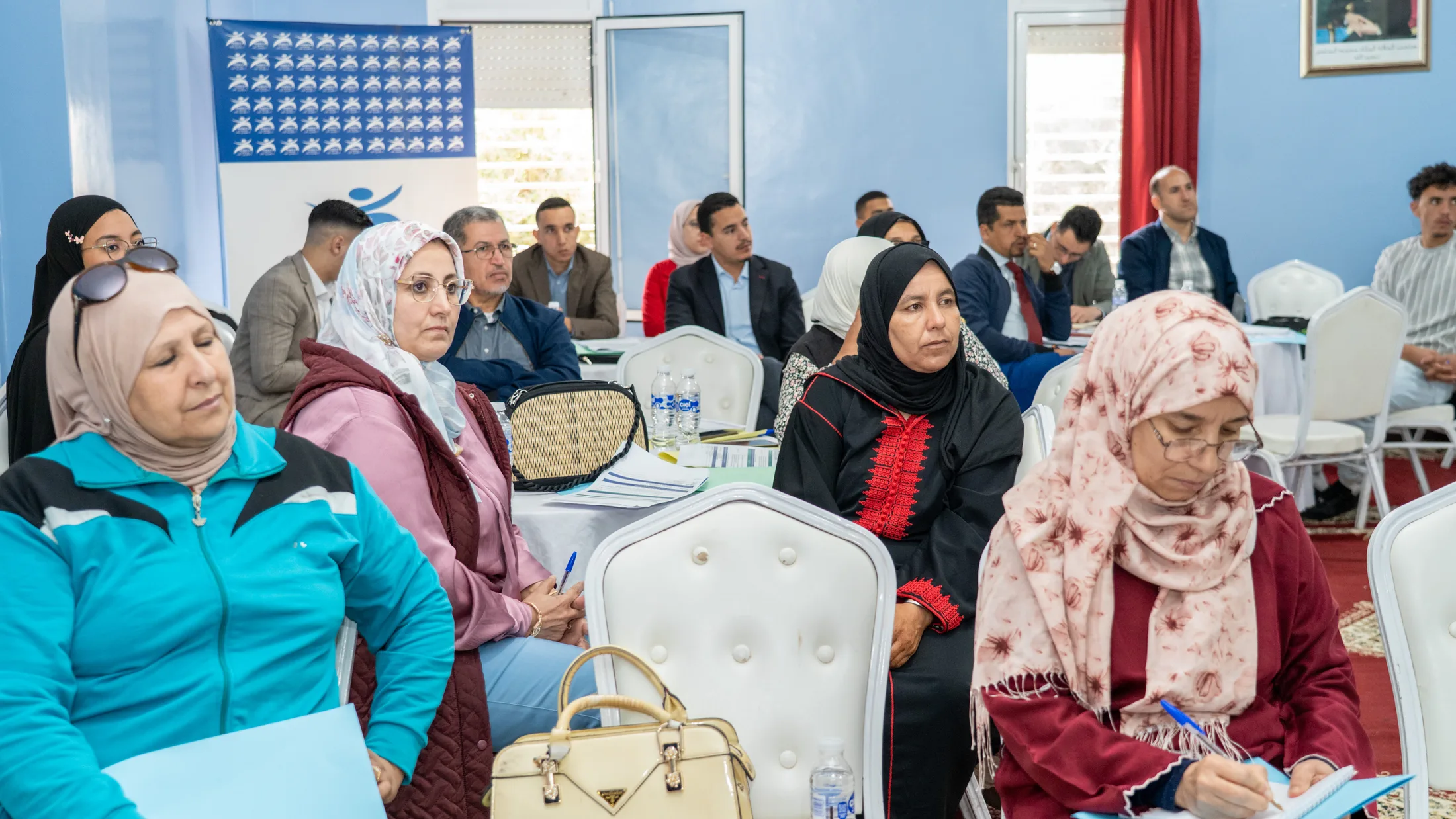
AMSSA-AI is an inclusive AI literacy and mentorship initiative anchored in Beni Mellal-Khenifra, Morocco. It supports non-technical civic actors to move from passive technology use to informed, responsible participation in AI-enabled public life.
The project focuses on people who are often left outside AI skilling programs: elected women, civil society leaders, advisory bodies, youth, vulnerable groups, public actors, and Arabic/Darija users. Its purpose is practical: help users understand procedures, prepare civic communication, verify information, and use AI safely within clear limits.
Explore the full AMSSA-AI platform: amsaai.org
UN Digital Cooperation Portal: View AMSSA-AI on the DC Portal
What the mentor supports
The AMSSA-AI mentor combines trusted Moroccan local-governance content, practical AI literacy, human-centered co-design, and responsible-use safeguards. It is scoped around civic and procedural guidance, including commune procedures, advisory bodies, petitions, council preparation, communication with citizens, and access to public information.
The tool is not designed to replace institutions, elected bodies, lawyers, or public officials. It provides support for learning and preparation, with human escalation for situations that require legal, institutional, or expert verification.
Grounded in Moroccan local governance
The reference base includes Morocco’s 2011 Constitution, Organic Law 113.14 on communes, Organic Laws 111.14 and 112.14 on territorial collectivities, petition and participation guides, advisory-body material, gender approach references, and access-to-information resources.
This makes the project concrete: local needs first, practical use cases next, then safe tool development, training, testing, and documentation for replication.
Implementation and replication
AMSSA-AI is piloted first in Morocco with local governance actors in Beni Mellal-Khenifra. The implementation is designed to produce a methodology, training package, safeguards, tool architecture, and lessons that can be adapted in Tunisia and other Southern Mediterranean countries through EuroMedAI.
Sustainable Development Goals
This project contributes to the following UN SDGs:
Results & Impact
26 elected women engaged in the Morocco implementation.
43 civil society members, developers, and local actors involved in co-design and AI literacy activities.
69+ documented participants reached across verified early implementation activities.
A five-step implementation model: listen, identify use cases, build the AI mentor, train and test, then replicate.
A locally adapted mentor scoped around civic participation, local-governance procedures, petitions, advisory bodies, and safe AI habits.
Arabic, Darija, and local civic language treated as access and trust issues, not as a simple translation layer.
Replication pathway from Morocco to Tunisia and the Southern Mediterranean through EuroMedAI.
AMSSA-AI is listed on the UN Digital Cooperation Portal as part of the wider digital cooperation ecosystem.
Success Stories
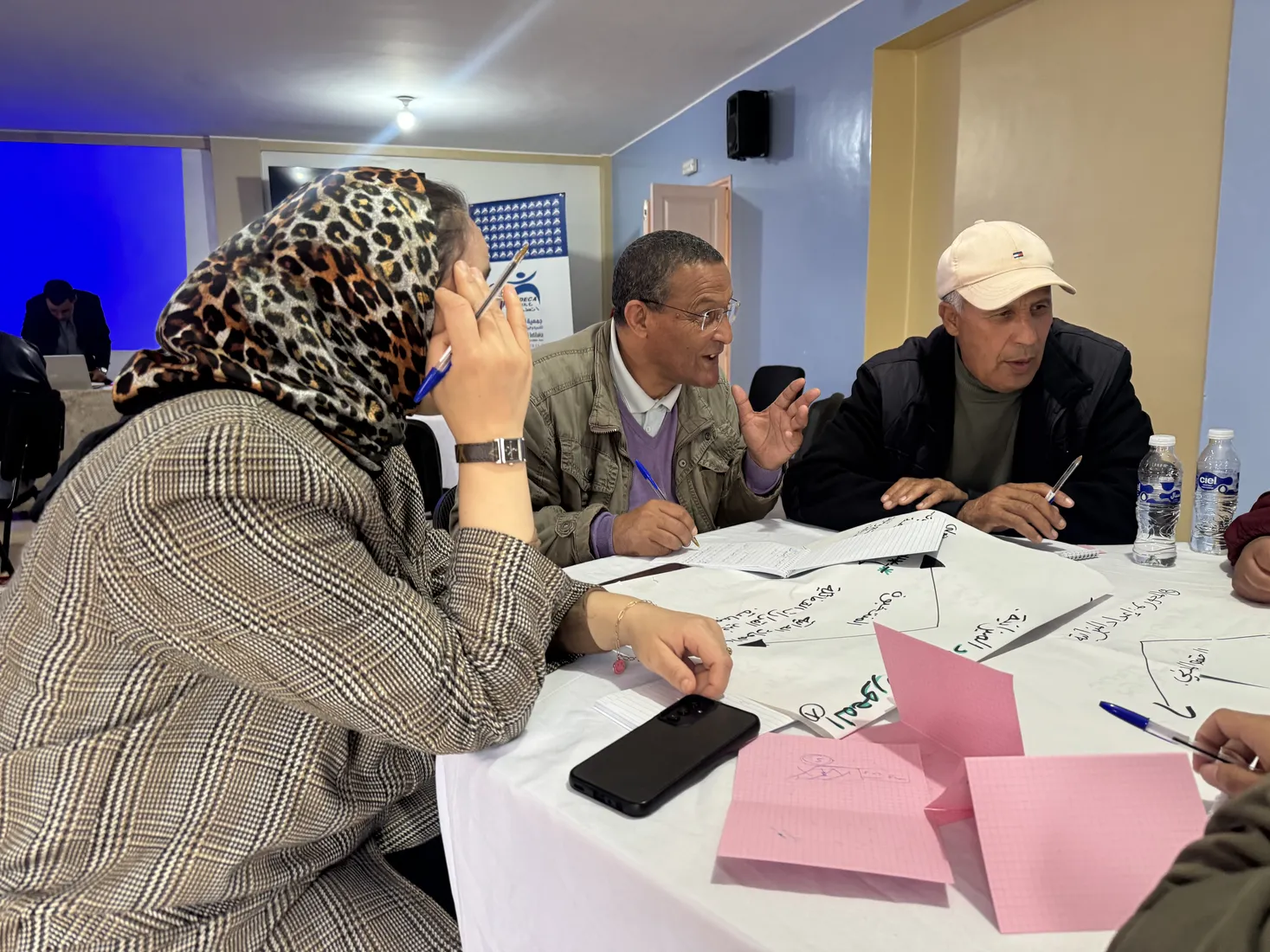
Co-design with local governance actors
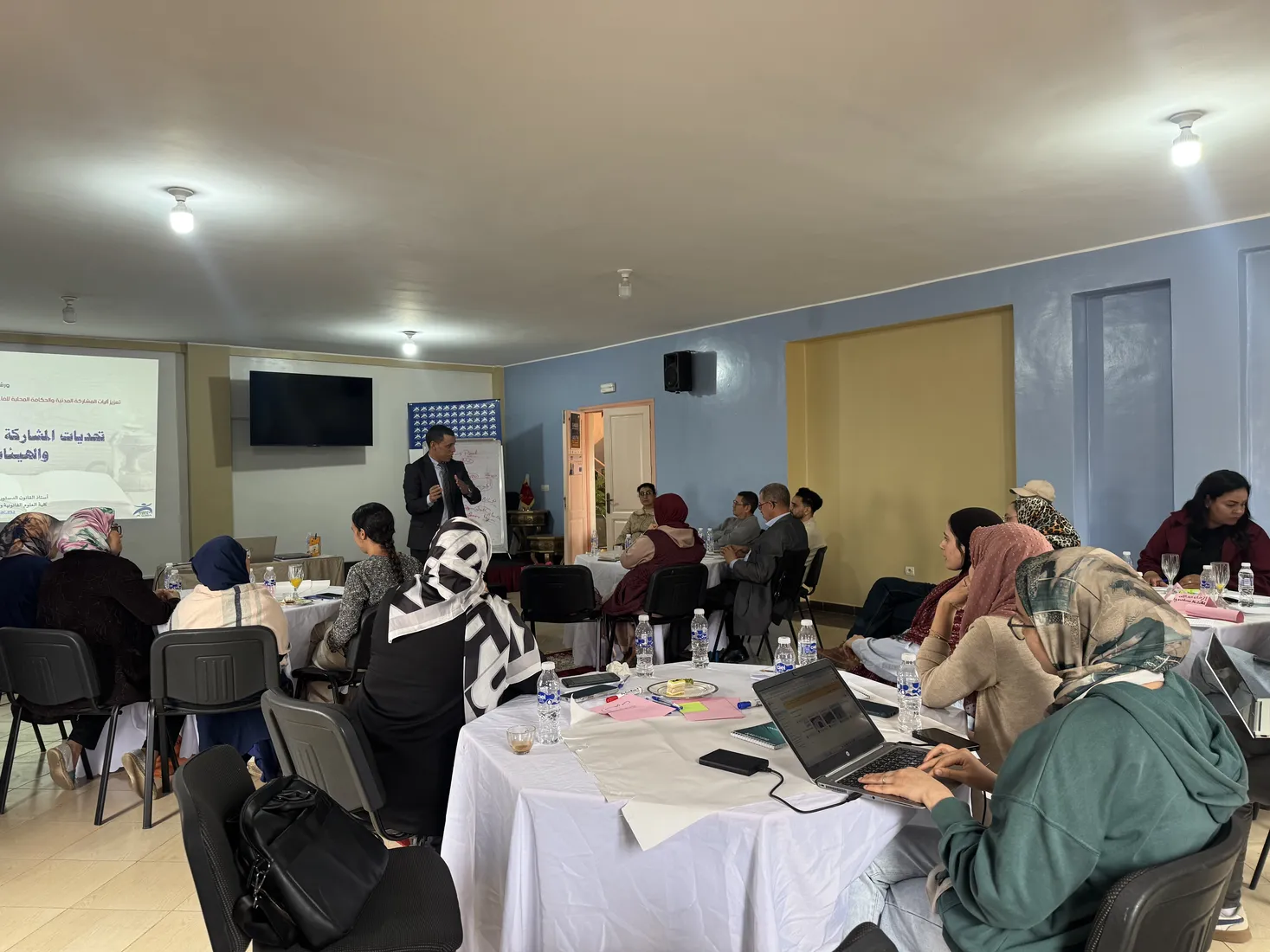
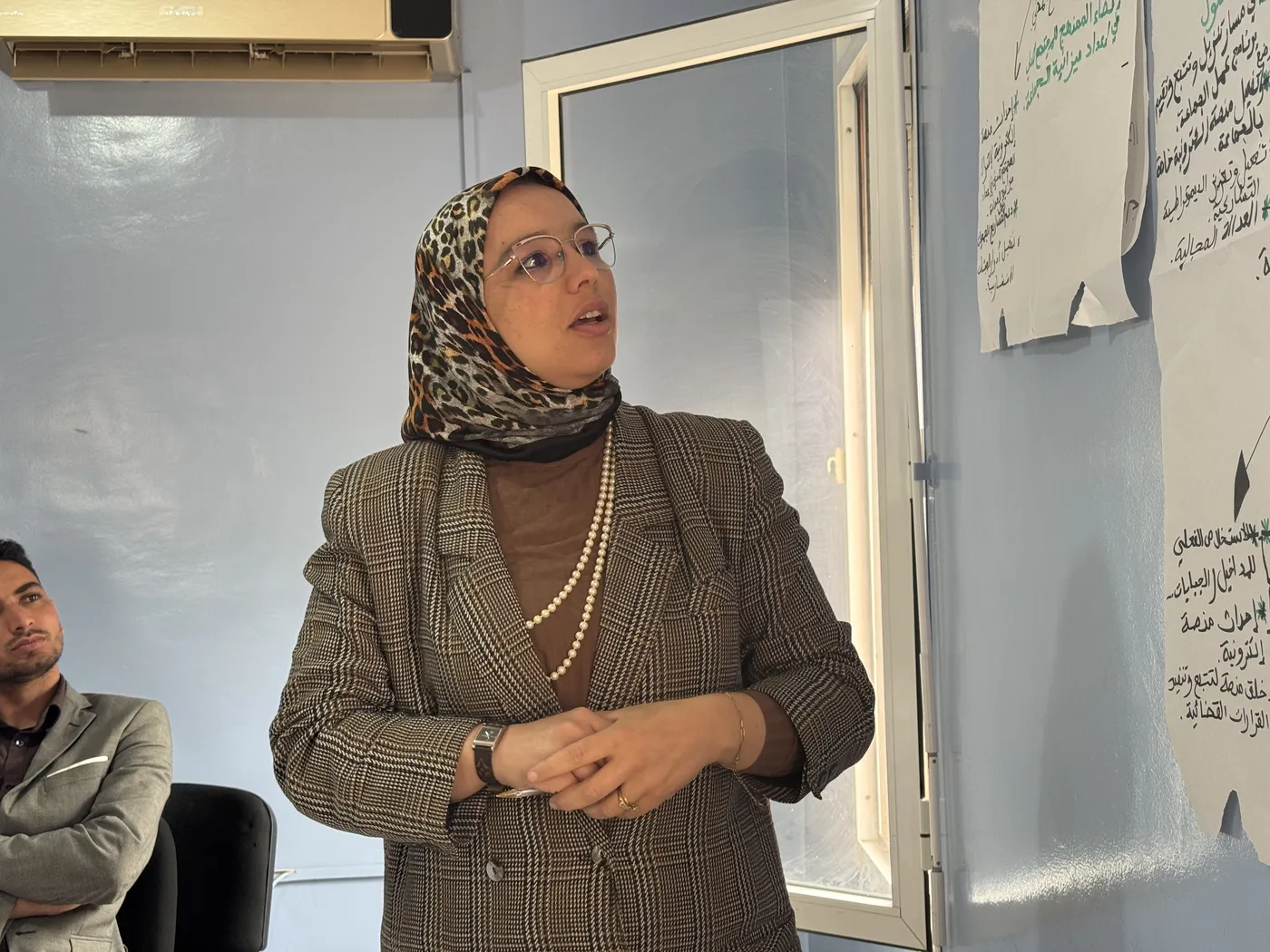
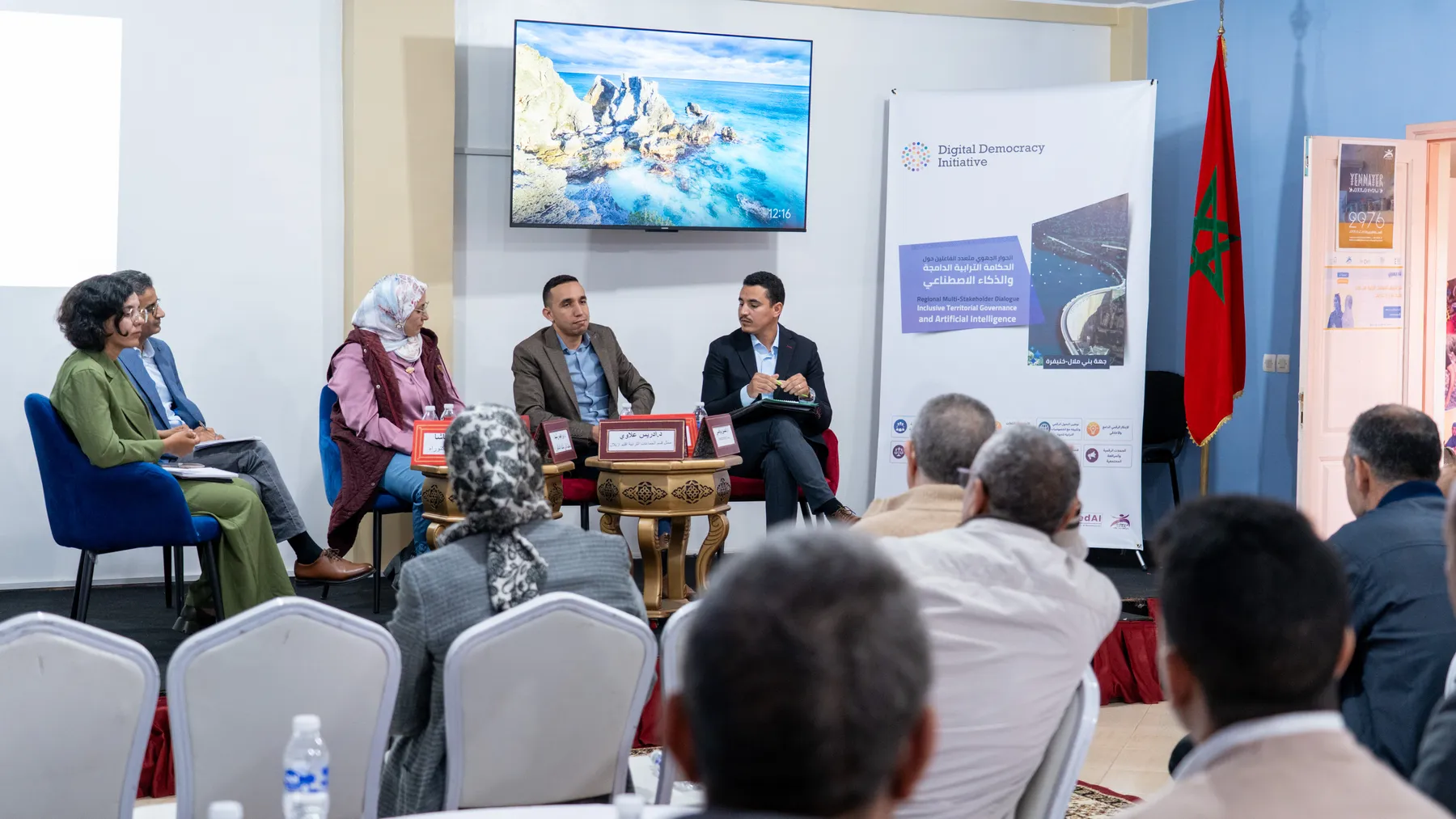
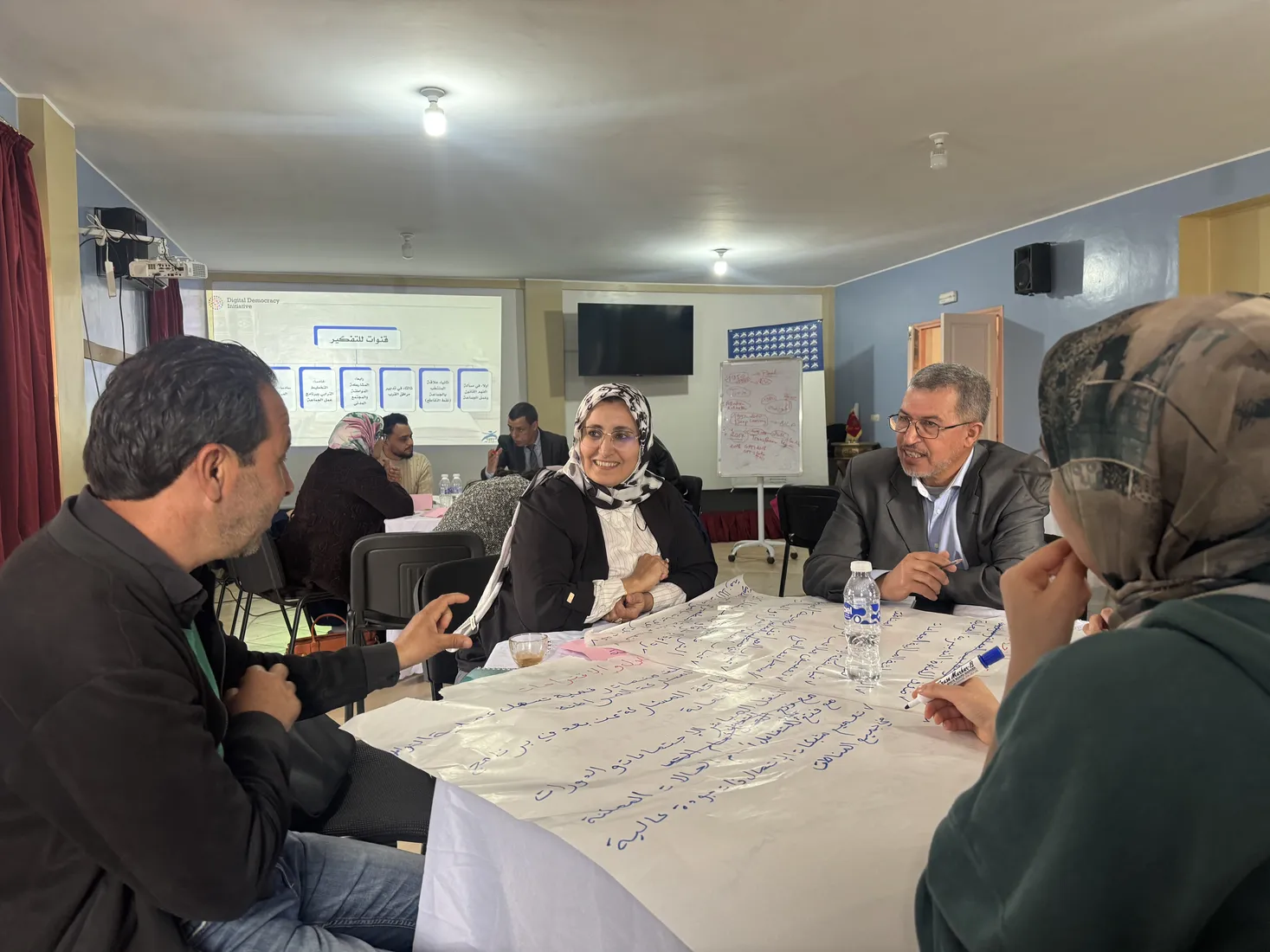
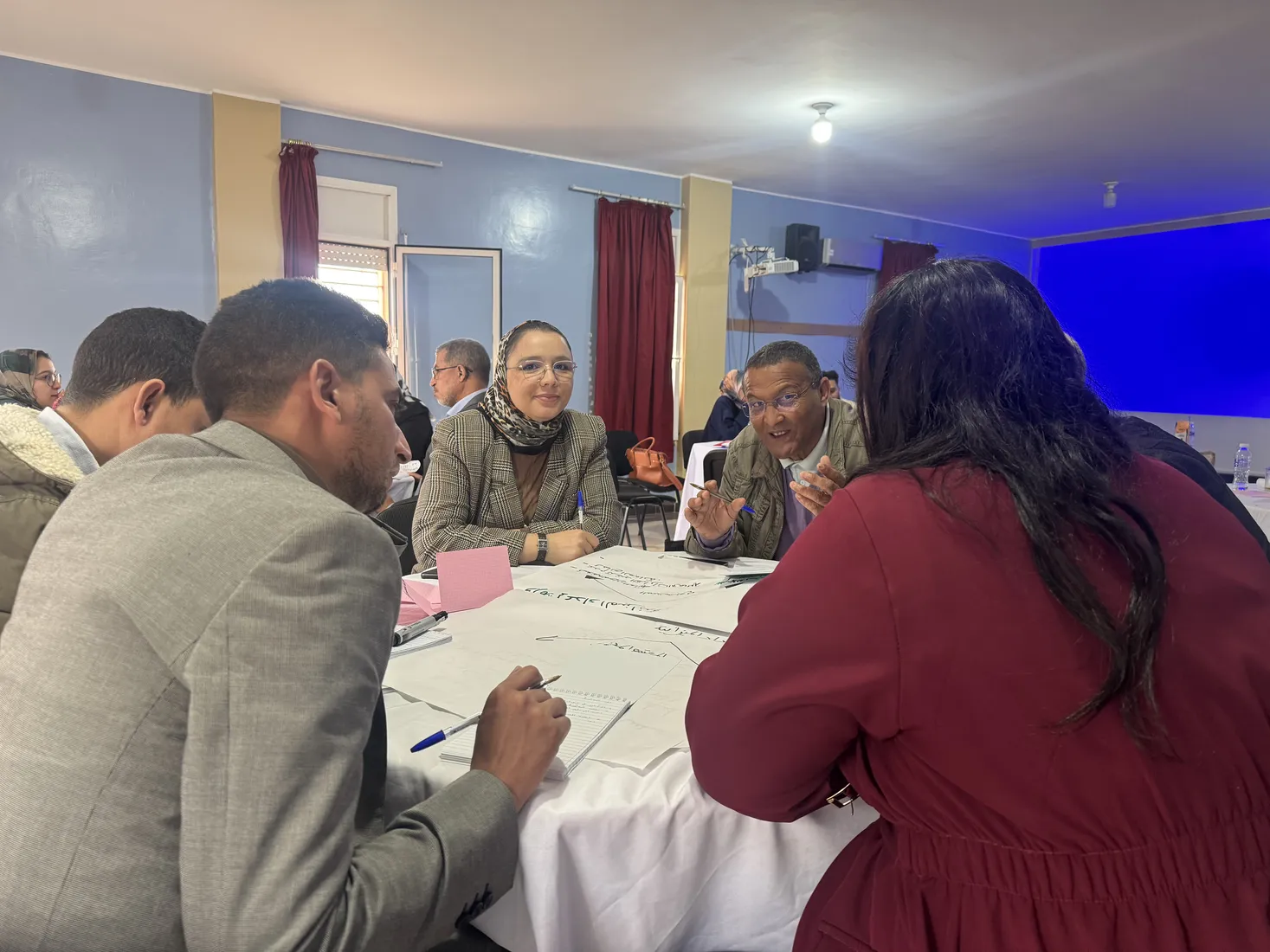
The Morocco implementation starts from real local needs, bringing together elected women, civil society leaders, public actors, researchers, developers, and local stakeholders to identify practical AI use cases for participation and governance.
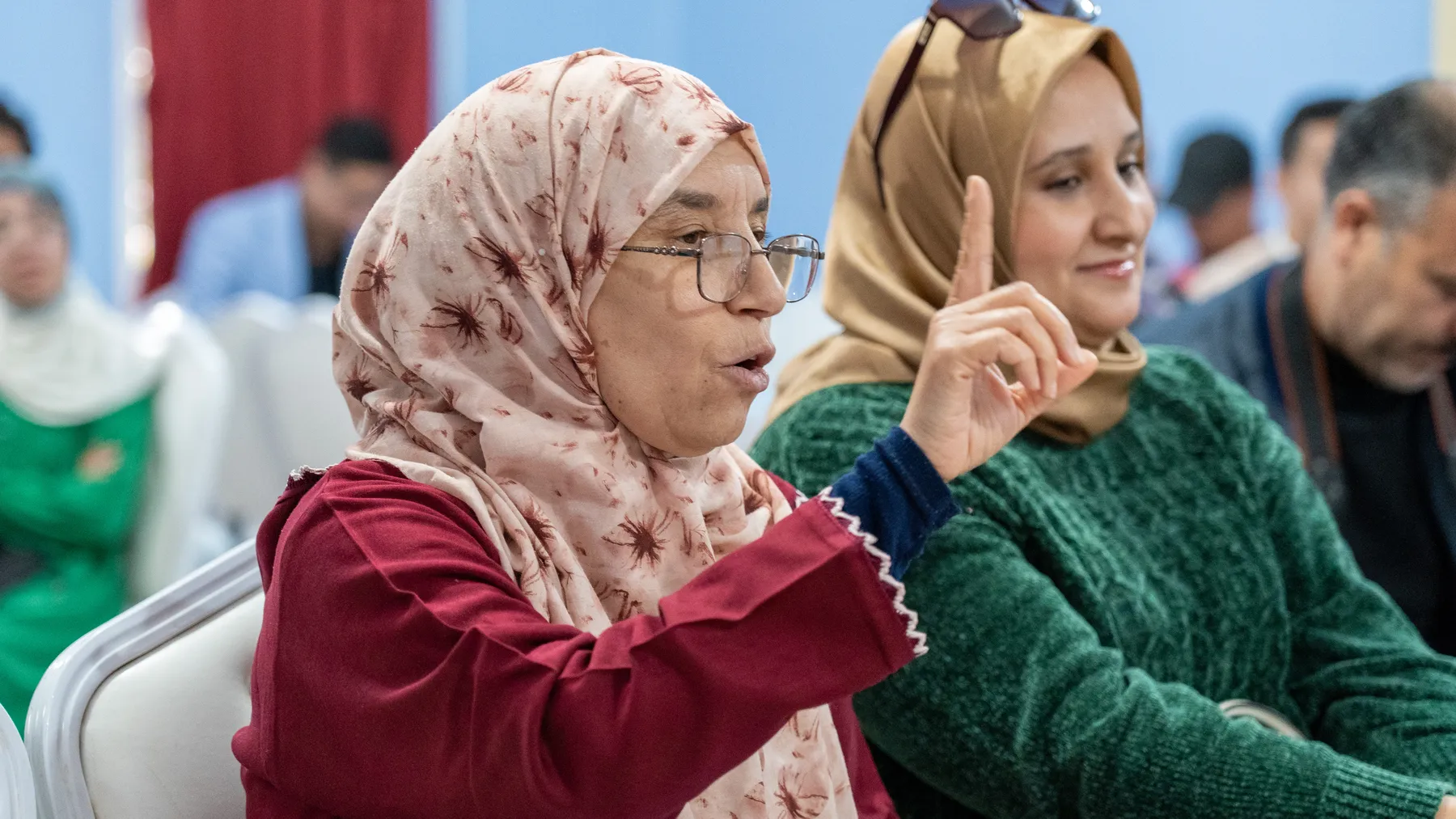
Women-centered AI literacy
AMSSA-AI is designed around users often left outside AI skilling programs, especially elected women who need support for preparation, confidence, communication, and participation in local decision-making.
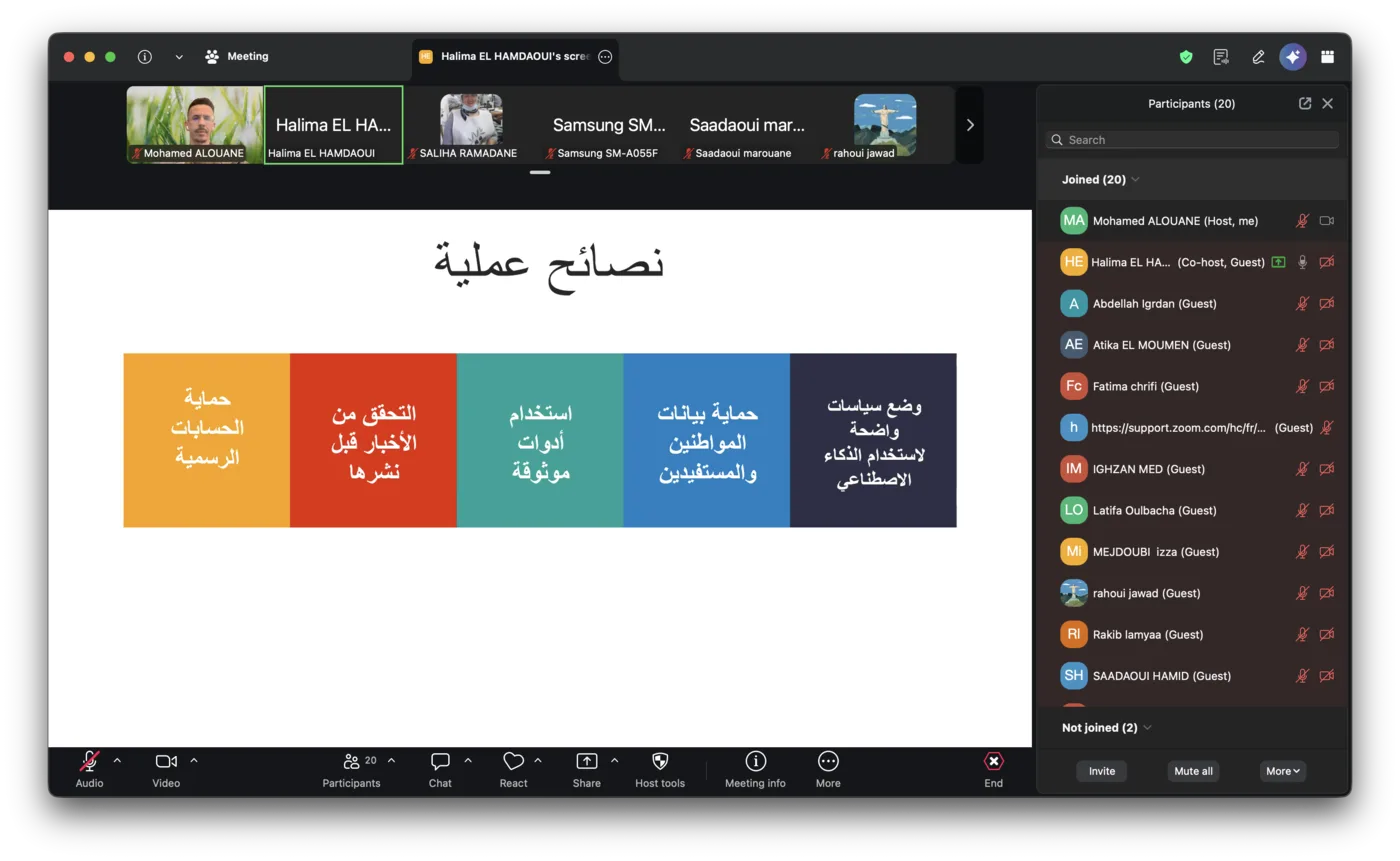
Responsible-use safeguards
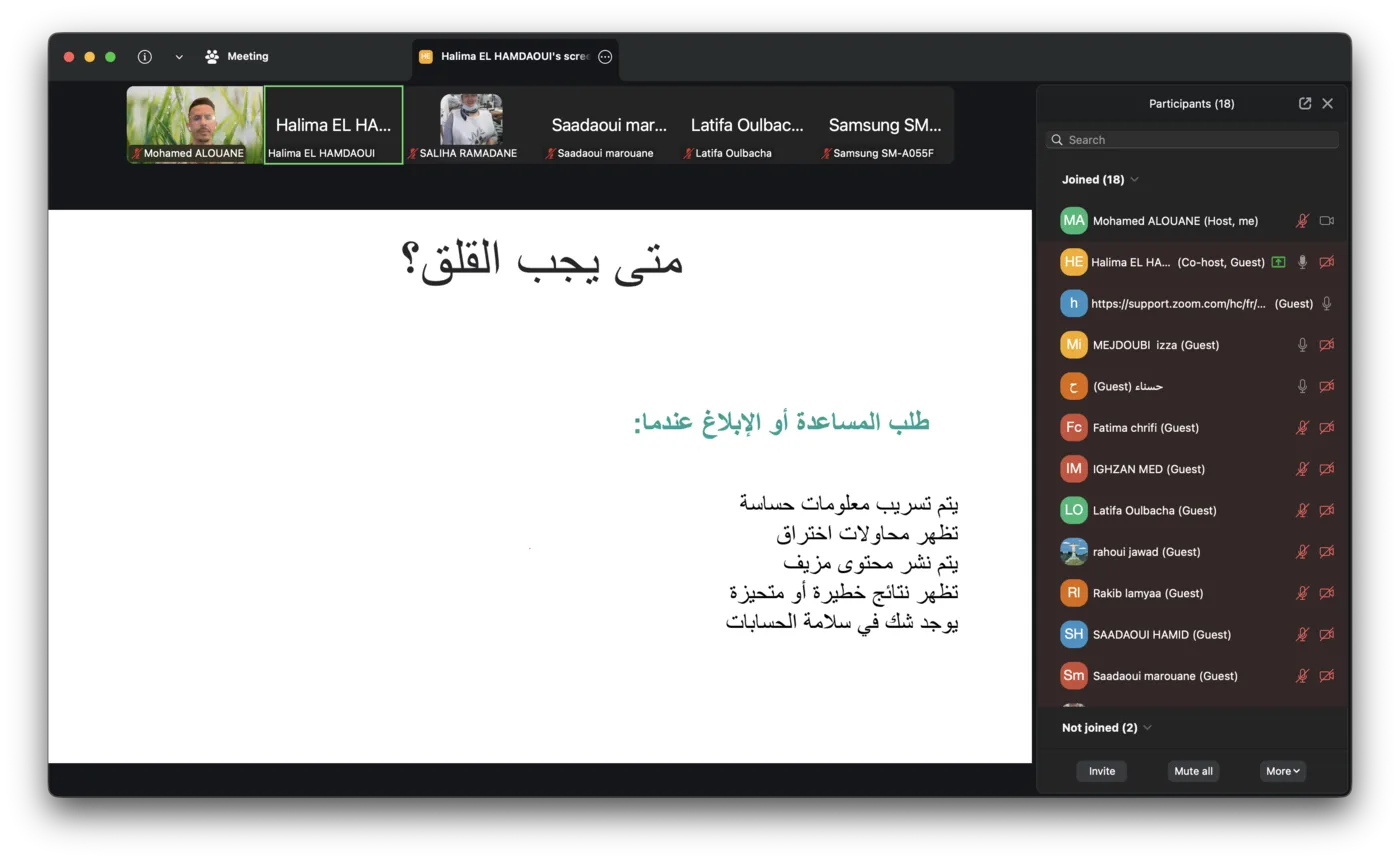
The mentor is framed as civic and procedural support, not as a replacement for institutions, lawyers, elected bodies, or public officials. Privacy, source verification, misinformation awareness, and human escalation are built into the approach.
Partners & Donors



Photo Gallery
Visual journey through this project
Want to partner with us or support this work?
Get in touchMore Projects
ⴰⵎⵓⵏⴰⵙ / AMUNAS-Emergent: Accelerating women's socio-economic inclusion in future-oriented sectors in the Béni Mellal-Khénifra region
Strengthening the socio-economic inclusion of women aged 18-45 in future-oriented sectors by transforming sociocultural norms and promoting pathways to employment and women-led entrepreneurship.
Learn moreAMSAWAS+: Strengthening women's and youth leadership for civic participation
A 2026 continuation of AMSSAWASS supporting emerging youth leaders and elected women in Azilal Province through civic participation, leadership, visibility, coaching, and AI-enabled support.
Learn moreASTA (ⴰⵙⵎⵓⵙⵙⵓ - ⵜⴰⴷⵔⴰⵡⵜ) - Towards Inclusive Territorial Public Policies for Climate Change Adaptation
ASTA (ⴰⵙⵎⵓⵙⵙⵓ - ⵜⴰⴷⵔⴰⵡⵜ) - Towards Inclusive Territorial Public Policies for Climate Change Adaptation
Learn more